 Proudly Canadian
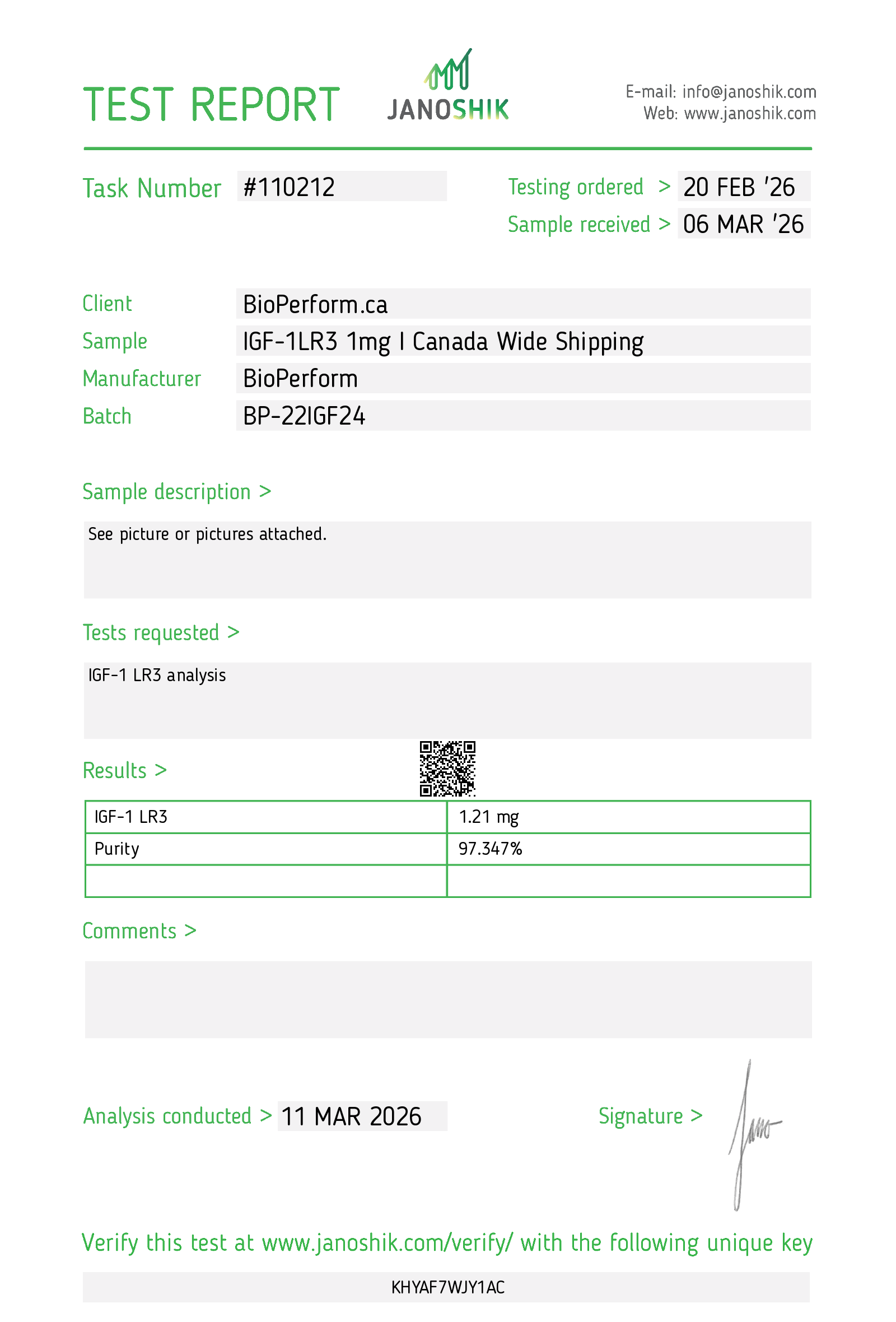
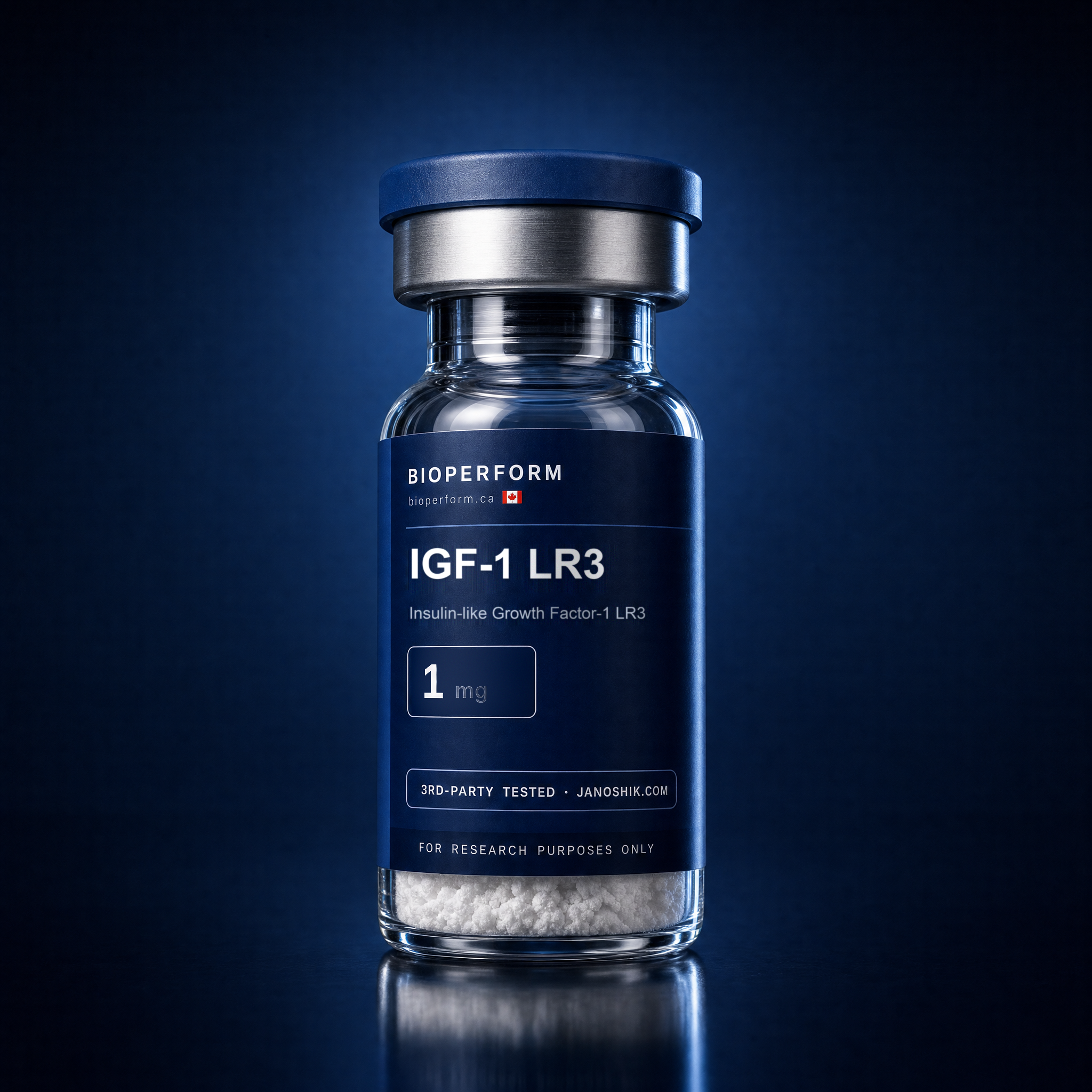
IGF-1 LR3 1mg
CAD$84.99
FOR RESEARCH PURPOSES ONLY
This product is intended for laboratory and research use only. Not for human consumption or veterinary use.
36 in stock
HOW ORDERING WORKS
Add to cart and checkout
Choose your payment method at checkout: credit card or Interac e-Transfer.
Pay your way
Pay instantly by card, or send an e-Transfer to support@bioperform.ca and save 3%.
Ships same day
Orders before 2PM MST ship same day. Tracking number included.
Questions? We're here.
Email support@bioperform.ca. Always a real response.
Description
Extended IGF-1 Research Peptide
IGF-1 LR3 1mg is a modified research analogue of Insulin-like Growth Factor 1 (IGF-1), engineered with a 13-amino acid extension that significantly reduces binding affinity to IGF-binding proteins. This modification results in a longer active window and enhanced receptor availability in laboratory research models, making IGF-1 LR3 a widely studied compound in skeletal muscle biology, cellular growth signaling, and tissue repair research.
Because of its extended half-life and improved receptor interaction profile, IGF-1 LR3 is frequently used in advanced in-vitro and preclinical studies investigating anabolic signaling pathways and cellular proliferation mechanisms.
Performance Profile
Extended IGF-1 Activity Window
IGF-1 LR3 is known for its prolonged activity compared to native IGF-1. The structural modification allows the peptide to remain active in research systems for approximately 20–30 hours, compared to the much shorter activity window of standard IGF-1.
This extended duration makes IGF-1 LR3 particularly useful in longitudinal cell culture experiments where stable and sustained signaling exposure is required for accurate analysis of growth and metabolic pathways.
Muscle Cell Biology and Satellite Cell Research
A major focus of IGF-1 LR3 research involves skeletal muscle biology, particularly satellite cell activation and proliferation. Satellite cells are essential for muscle growth and repair, and IGF-1 signaling plays a key role in regulating their activity.
Researchers study IGF-1 LR3 in muscle injury and regeneration models to better understand how growth factor signaling influences cellular repair, differentiation, and tissue rebuilding processes.
Nutrient Signaling and Metabolic Research
IGF-1 LR3 is widely investigated for its role in nutrient sensing and metabolic signaling pathways. Studies often focus on its downstream effects on glucose uptake, amino acid utilization, and anabolic signaling cascades.
These mechanisms are central to understanding how cells respond to nutrient availability and regulate energy balance, making IGF-1 LR3 an important tool in metabolic and anabolic pathway research.
Tissue Repair Signaling Pathways
Beyond muscle biology, IGF-1 LR3 is studied for its involvement in tissue repair and regenerative signaling. Researchers examine how IGF-1 receptor activation influences cellular recovery processes, particularly in skeletal muscle injury models.
Its role in satellite cell-mediated repair pathways continues to make it a key compound in regenerative biology research.
Why Researchers Choose IGF-1 LR3
IGF-1 LR3 is widely used in research settings due to its enhanced stability, extended activity window, and strong receptor signaling potential. These properties allow researchers to maintain consistent IGF-1 pathway activation in experimental models, improving the reliability of long-duration studies.
Its ability to mimic and extend IGF-1 signaling makes it especially valuable in studies focused on growth factor biology, anabolic signaling, and tissue regeneration mechanisms.
Quick Summary
Best For
- IGF-1 receptor binding research
- Skeletal muscle biology studies
- Tissue repair signaling models
- Cellular growth and proliferation research
- Metabolic and nutrient signaling pathways
Research Applications
IGF-1 LR3 1mg is commonly used in laboratory and preclinical research investigating anabolic signaling cascades, satellite cell activation, and IGF-1 receptor-mediated cellular responses.
Research Advantage
The extended 20–30-hour activity window allows for more stable and consistent exposure in cell culture and longitudinal experimental designs, reducing the need for frequent intervention in research protocols.
Common Research Pairings
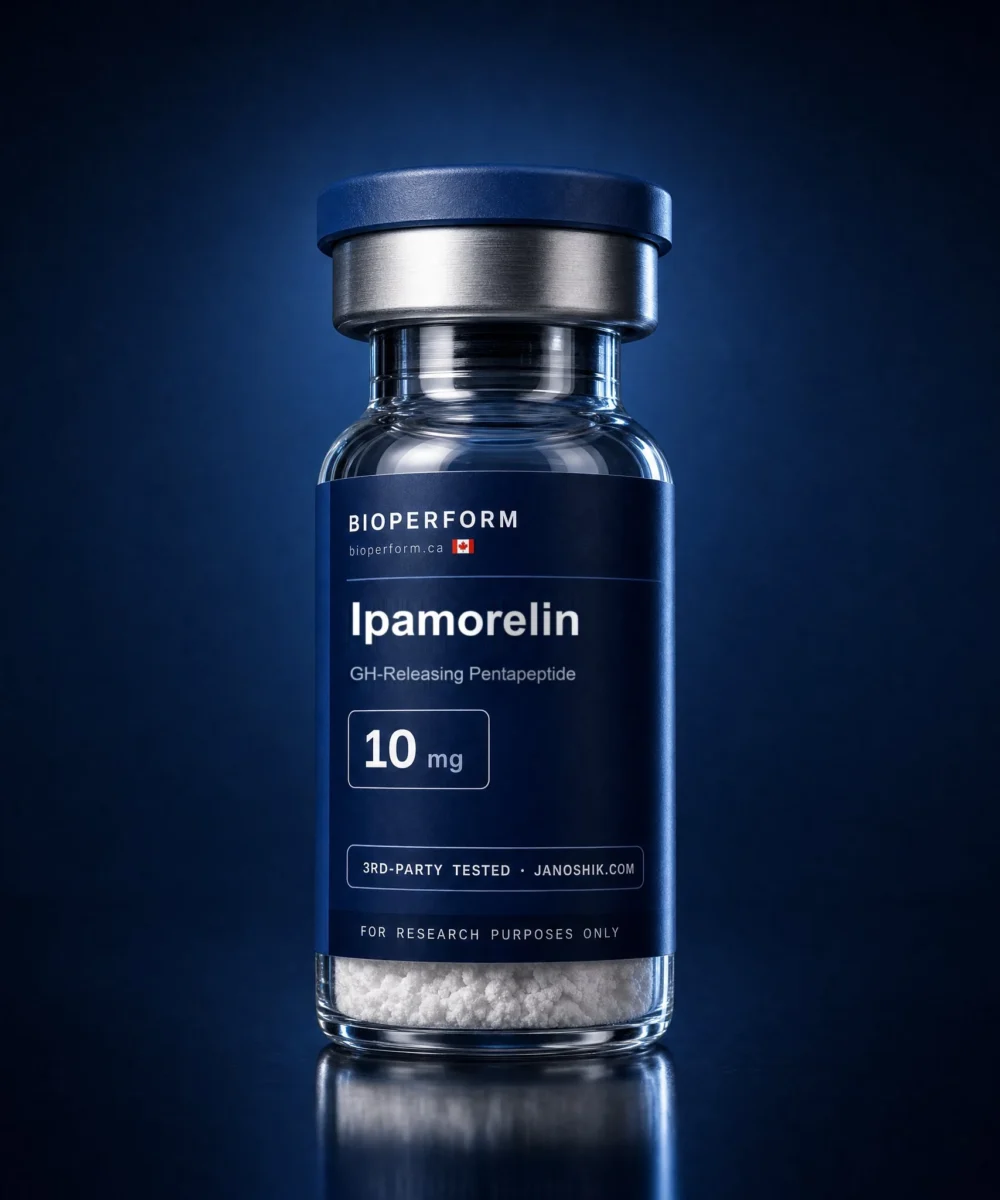
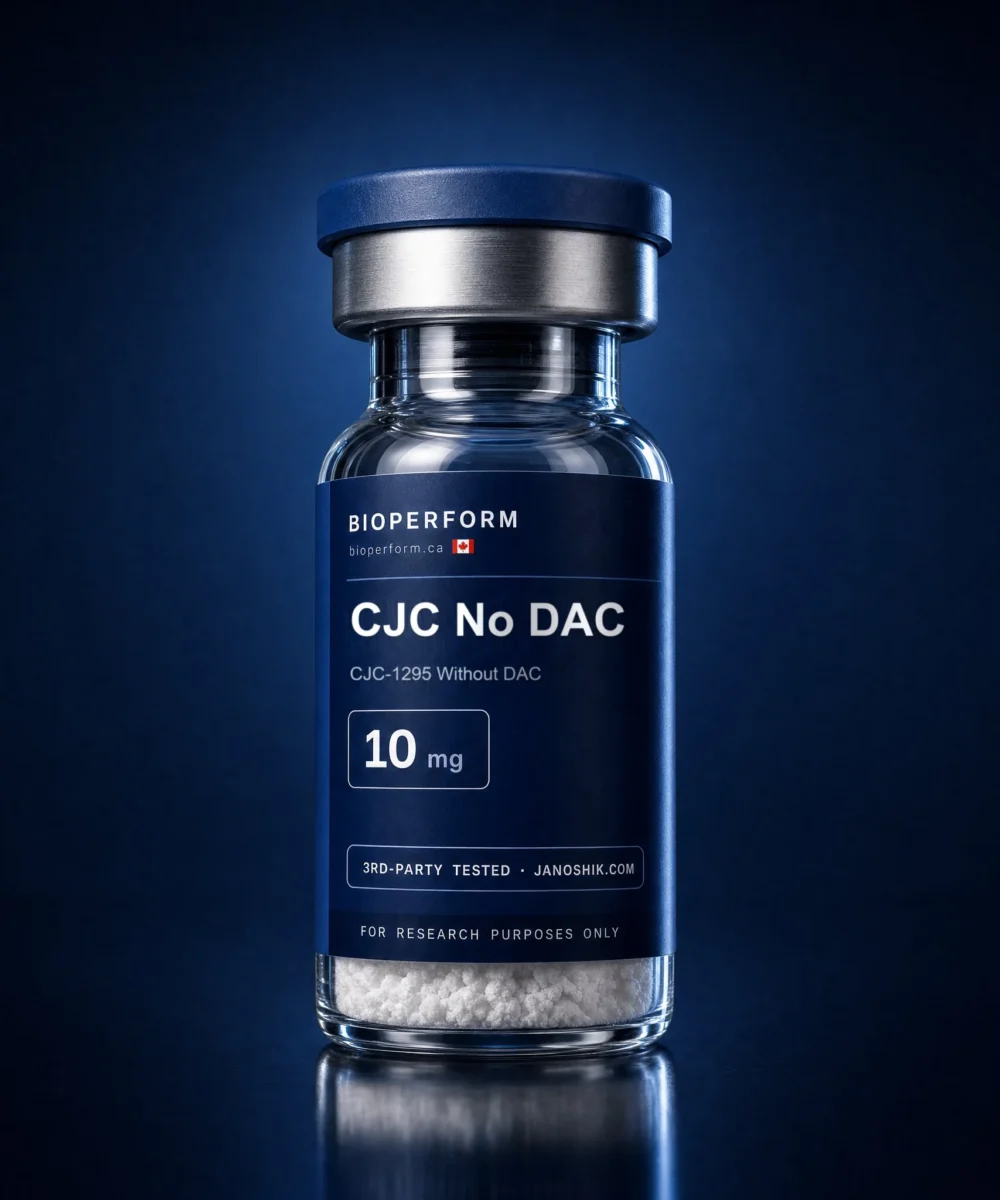
IGF-1 LR3 is frequently studied alongside CJC-1295 and Ipamorelin in GH-axis research models to evaluate the combined effects of growth hormone and downstream IGF-1 signaling.
Frequently Asked Questions
What is IGF-1 LR3 1mg?
IGF-1 LR3 1mg is a long-acting research analogue of IGF-1 designed to extend activity duration and reduce binding to inhibitory proteins in laboratory research settings.
How Is IGF-1 LR3 Different from Standard IGF-1?
IGF-1 LR3 contains a 13-amino acid extension that prevents binding to IGF-binding proteins, resulting in a significantly longer active window and enhanced receptor availability in research models.
What Is IGF-1 LR3 Commonly Studied For?
Researchers investigate IGF-1 LR3 for skeletal muscle growth signaling, satellite cell activation, tissue repair mechanisms, and nutrient metabolism pathways.
What Is the Advantage of Its Long Activity Window?
The 20–30-hour active window allows for sustained receptor stimulation in cell culture experiments, making it ideal for long-duration and time-course research designs.
Can IGF-1 LR3 Be Studied with Other Compounds?
Yes. It is commonly researched alongside CJC-1295 and Ipamorelin to study combined growth hormone and IGF-1 signaling pathways.
Is IGF-1 LR3 Approved for Human Use?
No. IGF-1 LR3 is a research compound and has not been approved by Health Canada for human consumption or therapeutic use.
Is IGF-1 LR3 for Research Purposes Only?
Yes. IGF-1 LR3 1mg is intended strictly for laboratory, educational, and scientific research applications.
Research Disclaimer
For research purposes only. Not for human consumption. For use by licensed researchers only. These compounds have not been evaluated or approved by Health Canada for human use.
Reviews (2)
2 reviews for IGF-1 LR3 1mg
Only logged in customers who have purchased this product may leave a review.
Related products
Best Seller

Best Seller

Best Seller
Amazing
Three weeks in and already seeing great results. Everything about this company is top-notch from the product quality to shipping and customer service.
A1
Great service and product. Support is very professional and delivery within a week.