
 Proudly Canadian

CAD$79.99
This product is intended for laboratory and research use only. Not for human consumption or veterinary use.
62 in stock
Choose your payment method at checkout: credit card or Interac e-Transfer.
Pay instantly by card, or send an e-Transfer to support@bioperform.ca and save 3%.
Orders before 2PM MST ship same day. Tracking number included.
Email support@bioperform.ca. Always a real response.
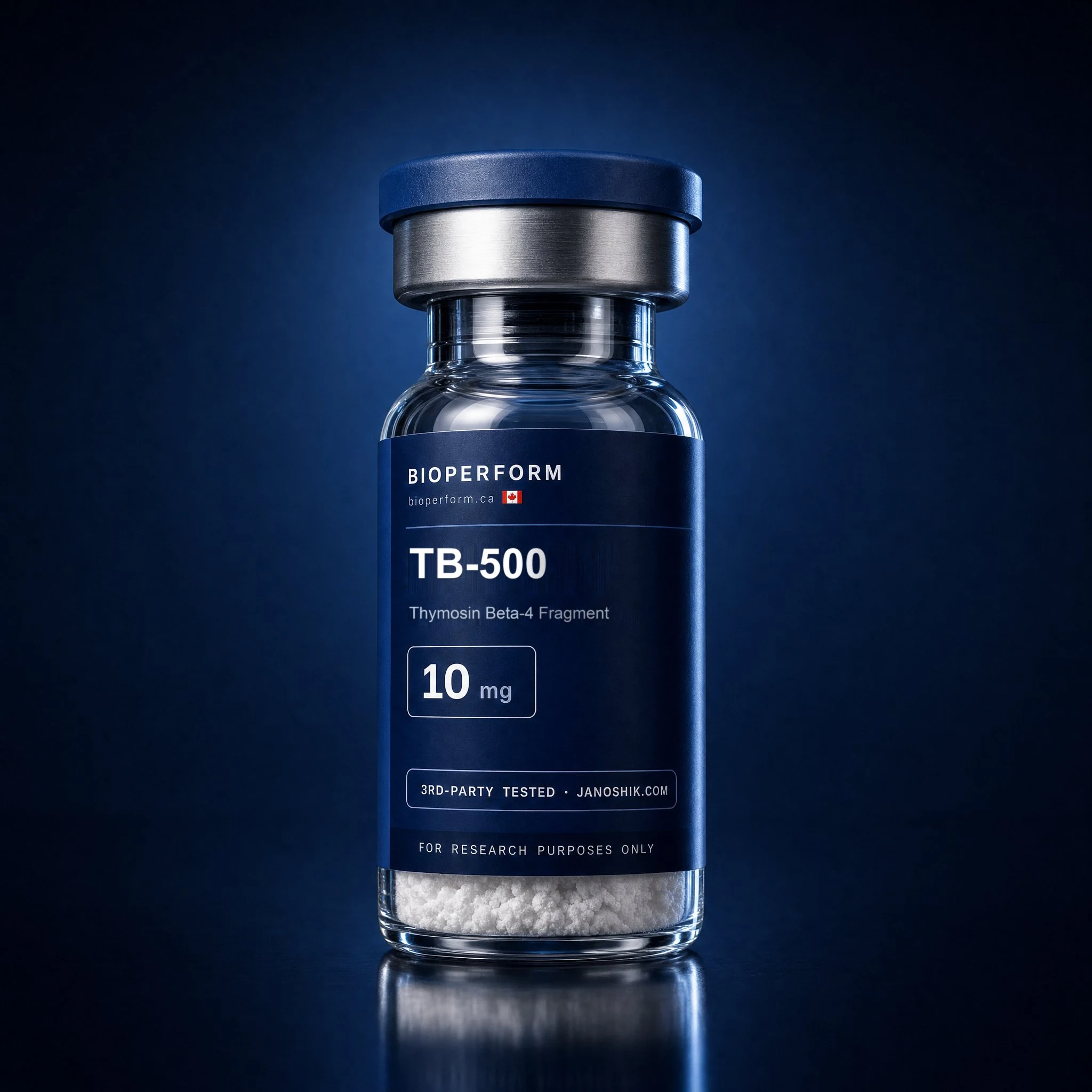
TB-500 10mg is a synthetic Thymosin Beta-4 fragment widely studied in tissue repair, cell migration, and regenerative biology research. Derived from the naturally occurring Thymosin Beta-4 protein, the TB-500 peptide has attracted significant scientific interest due to its role in actin regulation, cellular movement, and tissue remodeling pathways.
Researchers frequently utilize TB-500 research compound models to investigate how cellular repair mechanisms function following tissue stress, injury, and inflammatory responses. Its unique ability to influence cell migration and cytoskeletal organization has made TB-500 a valuable tool across multiple fields of biological research, including connective tissue studies, skeletal muscle investigations, and systemic healing models.
The TB-500 10mg format provides laboratories with a research-grade peptide suitable for a variety of experimental applications involving tissue regeneration pathways, inflammation biology, and cellular communication systems.
One of the most studied characteristics of the TB-500 peptide is its involvement in cellular migration pathways.
Researchers investigate TB-500 in studies involving:
Its interaction with actin regulation systems has made TB-500 particularly useful in understanding how cells move and organize during tissue repair processes.
TB-500 has become a frequently utilized research compound in models involving skeletal muscle and connective tissue biology.
Scientific investigations commonly focus on:
These applications continue to support their relevance in studies examining the biological processes involved in tissue maintenance and repair.
Researchers also investigate TB-500 for its potential role in tissue remodeling and scar formation pathways.
Areas of scientific interest include:
By examining these pathways, scientists seek to better understand how tissues repair and adapt under various biological conditions.
TB-500 has demonstrated relevance in laboratory models involving inflammation and immune signaling pathways.
Current research applications include:
These studies contribute to ongoing scientific exploration of how tissue repair processes interact with inflammatory pathways.
One of the distinctive features of TB-500 is its ability to distribute across multiple tissue compartments in experimental models.
Researchers frequently study:
This broad tissue distribution profile contributes to the peptide’s versatility in a wide range of research applications.
The popularity of TB-500 peptide Canada research stems from several notable characteristics:
These qualities continue to make TB-500 one of the most recognized compounds in tissue repair and regenerative biology investigations.
Researchers frequently compare TB-500 vs BPC-157 when designing tissue repair and regenerative research protocols.
While both compounds are commonly studied in injury and recovery models, they are often selected for different biological mechanisms.
Scientific comparisons typically focus on:
Many laboratories investigate both compounds together when examining complementary repair pathways across multiple tissue systems.
| Specification | Details |
| Product Name | TB-500 |
| Quantity | 10mg |
| Category | Thymosin Beta-4 Fragment |
| Format | Lyophilized Research Peptide |
| Research Focus | Cell Migration and Tissue Repair Research |
| Alternate Name | TB-500 Peptide |
| Intended Use | Laboratory Research Only |
Investigating Thymosin Beta-4-mediated actin regulation, cellular migration, tissue remodeling, and repair-related biological pathways in laboratory models.
Researchers frequently evaluate TB-500 alongside BPC-157 when investigating complementary tissue repair pathways and regenerative mechanisms.
TB-500 offers broad tissue distribution and strong relevance to cell migration biology, making it a valuable research tool for multi-tissue regenerative investigations.
To maintain peptide integrity and stability, laboratories should follow established storage and handling protocols.
General recommendations include:
Appropriate handling supports consistency and reliability throughout research projects.
TB-500 is a synthetic Thymosin Beta-4 fragment commonly studied in tissue repair, cell migration, regenerative biology, and connective tissue research.
Researchers investigate TB-500 in studies involving cellular migration, tissue remodeling, inflammation pathways, connective tissue biology, and regenerative signaling mechanisms.
Its role in actin regulation and cellular movement pathways has made TB-500 one of the most widely studied compounds in tissue repair and regenerative biology research.
In TB-500 vs BPC-157 research comparisons, the two compounds are often evaluated for different yet complementary mechanisms involved in tissue repair and biological recovery pathways.
No. TB-500 10mg is supplied exclusively for laboratory research, analytical testing, and scientific investigation purposes.
TB-500 10mg is intended strictly for laboratory research and scientific investigation. This product is not intended for human consumption, medical treatment, therapeutic use, or diagnostic application. Researchers are responsible for complying with all applicable regulations, safety standards, and laboratory protocols.
For research purposes only. Not for human consumption. For use by licensed researchers only. These compounds have not been evaluated or approved by Health Canada for human use.
Only logged in customers who have purchased this product may leave a review.
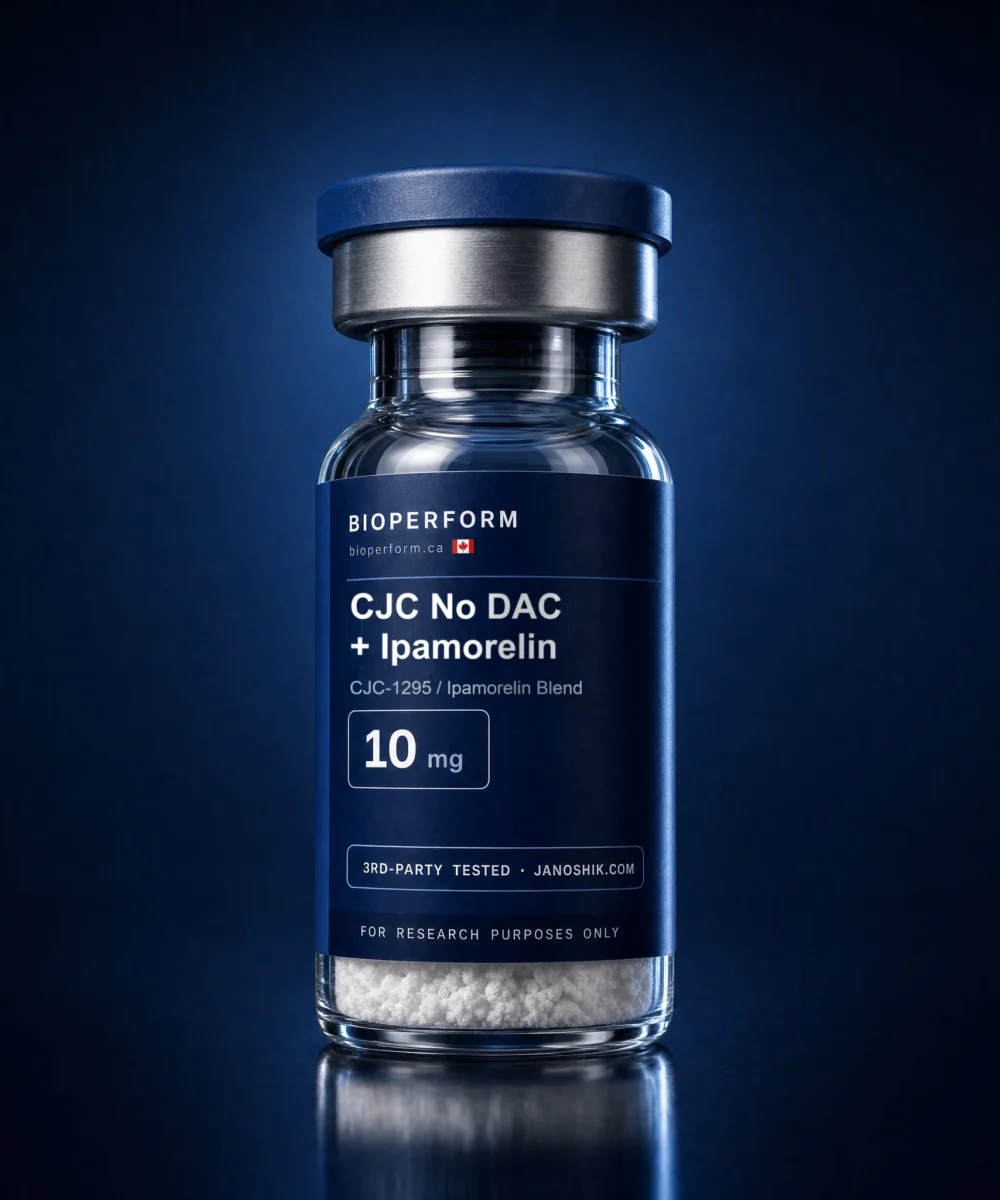
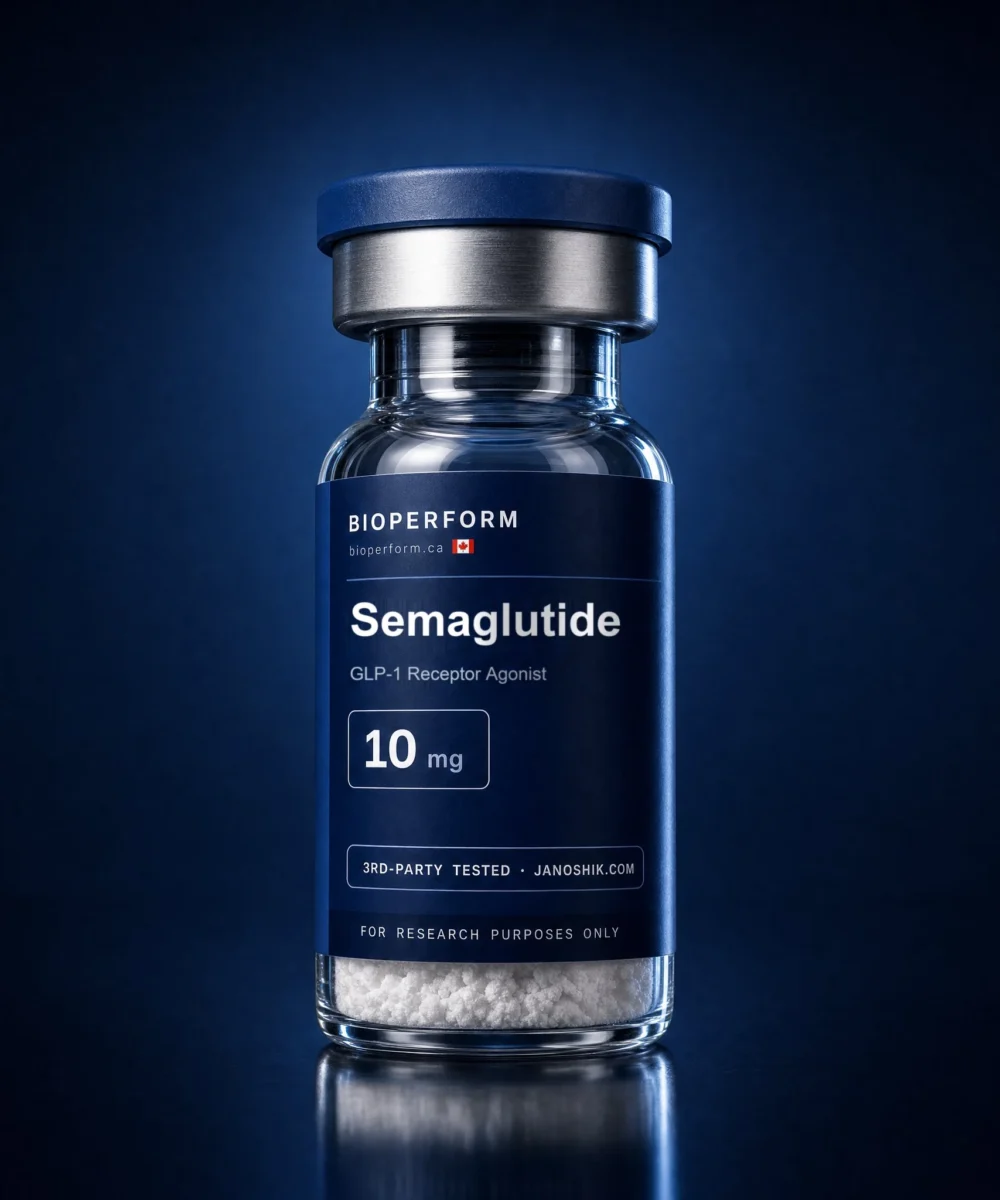

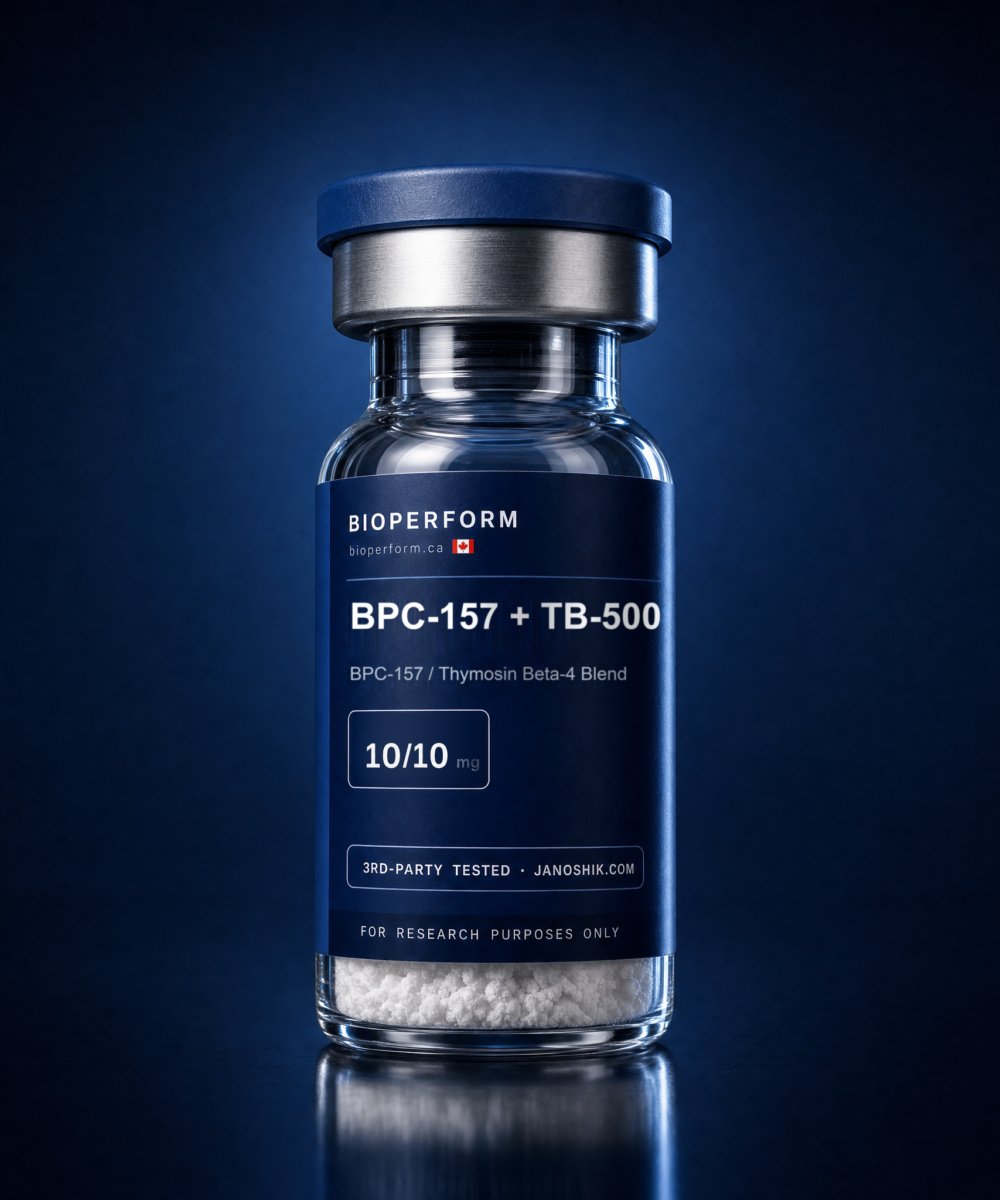
Ordered for chronic inflammation and the whole experience has been smooth. Fast shipping, easy to follow, and starting to feel a difference!
Labeling on the vials gave me confidence and the cap was tight.
Very impressed with order tracking and info from when I ordered to when it arrived.
Reconstitution was straightforward. Worked better than I expected.
Chronic Inflammation
First time using this product. Shipping went very well and I am seeing great early results.